Ageing Isn’t Inevitable – It’s How We Live
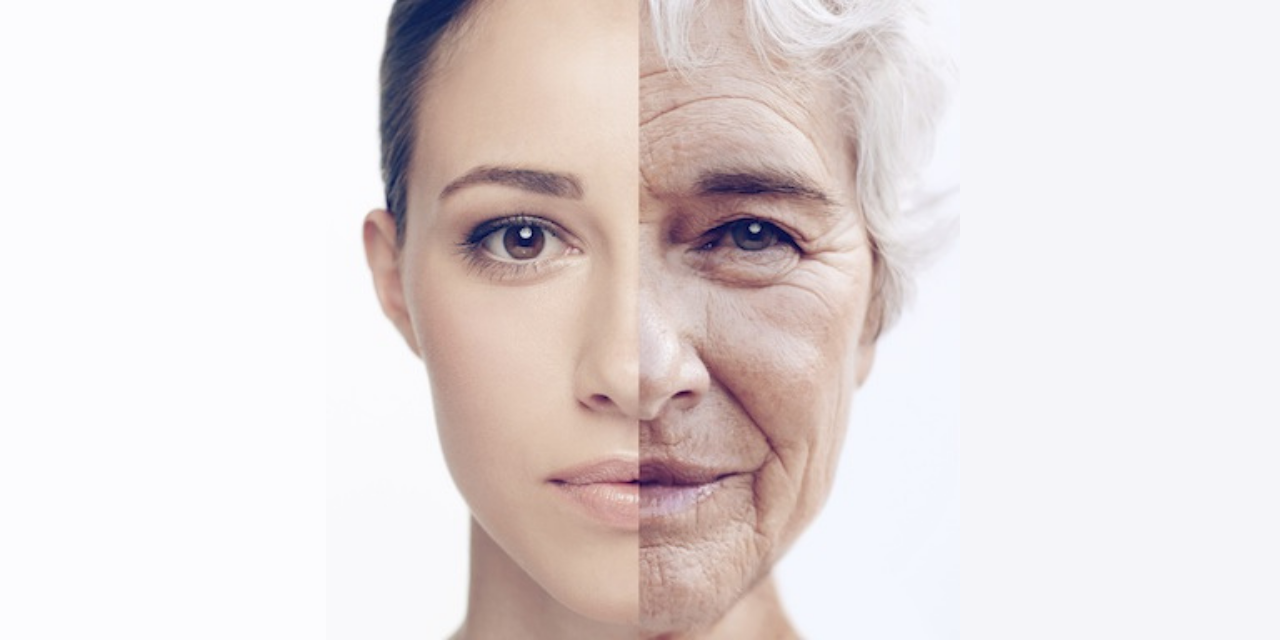
We tend to think of ageing as something that just happens to us — a slow, unstoppable slide towards decline. But what if getting older wasn’t simply written in our biology? What if much of how we age depends on how we live?
A fascinating new study suggests exactly that. Researchers exploring ageing across different parts of the world have found that the usual signs of decline seen in modern societies are not inevitable at all. In fact, in some communities, people grow older without the same rise in age-related illness that we see elsewhere.
It’s a reminder that our environment, habits and way of life may shape how we age just as much as our genes do.
A Tale of Four Communities
Scientists compared four groups of people living very different lives: two from modern, industrialised countries — Italy and Singapore — and two Indigenous populations who still live traditional, rural lifestyles — the Tsimane people of the Bolivian Amazon and the Orang Asli of Malaysia.
They analysed blood samples from more than 2,800 participants to look for biological clues linked to ageing and disease. What they found was striking.
In Italy and Singapore, people showed the expected pattern: as they aged, levels of certain immune markers rose, and so did the risk of chronic illnesses such as heart disease, diabetes and dementia.
But among the Tsimane and Orang Asli, that pattern simply didn’t exist. Their immune systems didn’t “turn against them” with age, and they experienced far lower rates of the diseases that trouble much of the modern world — despite living with far more infectious challenges in their daily lives.
A Different Kind of Ageing
In Western societies, our immune systems can end up in a kind of overdrive, fighting invisible battles caused by stress, pollution and processed food. Over time, this constant low-level inflammation damages our tissues and accelerates ageing.
But for the Tsimane and Orang Asli, inflammation works differently. Their immune systems are busy responding to real infections — a natural and appropriate reaction — and not the chronic, misplaced activation seen in more industrialised settings.
The researchers believe this difference could come down to lifestyle. These communities live active lives, eat unprocessed foods, and are closely connected to nature and one another. Their bodies are doing what they evolved to do.
By contrast, our modern habits — sitting for hours, eating refined foods, sleeping poorly and living under constant stress — may be ageing us faster than nature intended.
What This Means for Us
If these findings are right, they challenge a deeply held assumption: that ageing and disease are purely biological and unavoidable.
Instead, they suggest we have more control than we think.
How we move, eat, sleep, and connect could all determine whether we age slowly and healthily, or prematurely and painfully.
The lesson isn’t that we should all move to the rainforest, but that the human body thrives when it’s active, well-nourished and connected — not sedentary, overfed and overstressed.
Rethinking the Way We Age
We live in an age obsessed with anti-ageing creams and miracle supplements, but perhaps longevity isn’t found in a bottle at all.
Maybe it’s in the way we live our daily lives — walking more, eating real food, spending time outdoors, managing stress, and building genuine human connection.
Ageing may be universal, but how we age is not.
The science is starting to tell us what ancient wisdom has always known: longevity isn’t luck — it’s lifestyle.