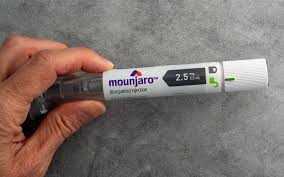
The Hidden Travel Risk for Weight-Loss Jab Users
Don’t Get Caught Out: The Vital Travel Rule for Anyone Using Weight-Loss Injections
If you’re one of the thousands of people now using Ozempic, Wegovy, or Mounjaro to
manage your weight, you’re not alone. These GLP-1 injections — originally developed for
diabetes — have become one of the biggest health trends in the UK, helping people control
appetite and lose weight.
But if you’re planning a holiday, there’s a critical detail you may be overlooking — one that
could cost you thousands of pounds if things go wrong abroad.
The Rule You Can’t Ignore
Travel insurance experts are warning that anyone using weight-loss injections must declare
them when taking out a policy — whether you’re on them through the NHS or privately.
Failing to declare your medication (and the condition it’s prescribed for) could mean that
your insurance policy is invalid, leaving you to foot the bill for any overseas medical care.
“Failure to do so is not a minor oversight — it’s a serious breach of your travel insurance
contract,” said one insurance expert. “If you need medical help overseas and haven’t fully
declared the medication you’re taking, your claim can be refused and your policy cancelled.”
Why This Matters
The warning follows a surge in demand for GLP-1 drugs such as semaglutide (marketed as
Ozempic and Wegovy) and tirzepatide (Mounjaro).
These medications mimic hormones that
regulate hunger and blood sugar, slowing digestion and reducing appetite.
But with more people using them, travel insurers are tightening their policies — not because
the drugs are unsafe, but because side effects like nausea, constipation, and dehydration
can lead to medical claims abroad.
Some travellers have already shared stories online about insurance premiums rising after
declaring their medication — one reported an £80 increase, another around 70p, depending
on the insurer.
Still, that small cost could save you thousands in the event of a medical emergency.
What You Need to Do Before You Fly
If you’re using weight-loss medication:
✅ Declare it when purchasing or renewing travel insurance – including the reason you take
it (weight management or diabetes).
✅ Bring documentation such as your prescription or GP letter, in case you’re asked to
verify your medication abroad.
✅ Pack and store your pens correctly – most GLP-1 drugs need to be refrigerated until use.
✅ Check local regulations – some countries have strict rules about carrying injectable
medication.
✅ Contact your insurer directly if you’re unsure – always get clarification in writing.
As Which? retail expert Reena Sewraz advises:
“Always read your policy thoroughly to check what’s covered. If in doubt, speak to your
provider directly and shop around for the best deal.”
The Bottom Line
These new medications are transforming lives — helping people lose weight safely, reduce
their risk of diabetes, and improve their wellbeing. But when travelling abroad, transparency
is key.
Failing to declare your medication might seem like a small oversight, but it could turn a
dream holiday into a financial nightmare.
Planning to travel while on GLP-1 medication?
At Temple, we provide expert, medically supervised weight-management support —
including personalised advice on safe travel, nutrition, and long-term results.
�� Book a no-obligation consultation today to learn how to stay healthy, confident, and in
control — wherever you are in the world.